Sustainable Living
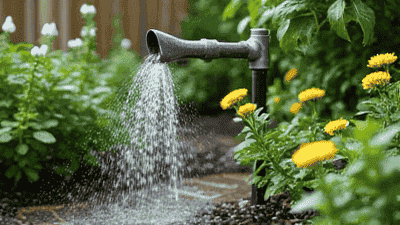
DIY Rainwater Harvesting: Collecting Water for Your Garden Sustainably
In the quest for sustainable living, one of the most effective strategies is implementing rainwater harvesting systems. Rainwater harvesting involves collecting and storing rainwater for later use, providing a free and eco-friendly resource that can significantly impact your garden’s sustainability.
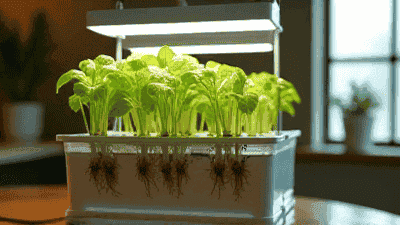
The Basics of Hydroponics: A Soil-Free Approach to Growing Plants
In the pursuit of sustainable living and efficient gardening practices, many individuals are turning to innovative methods that challenge traditional soil-based cultivation. One such method is hydronics, a soil-free approach to growing plants that offers a range of benefits for gardeners, whether they are experienced horticulturists or novices looking to expand their gardening techniques.
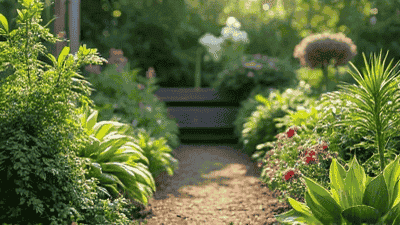
Sustainable Gardening 101: How to Start Your Eco-Friendly Garden
Sustainable gardening is a vital practice in our progressively eco-conscious world. It not only allows you to grow your own food but also reconnects you with nature while supporting local ecosystems. Starting an eco-friendly garden may seem daunting, but it can be an enjoyable and rewarding endeavor.

Creating an Energy-Efficient Home: Simple Changes for Big Savings
In today’s world, sustainable living has become an essential consideration for homeowners and renters alike. As we look for ways to reduce our carbon footprint, one of the most effective strategies is to create an energy-efficient home. Not only does an energy-efficient home benefit the environment, but it can also result in substantial savings on energy bills.
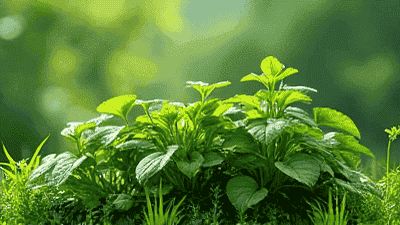
Growing Your Own Herbs: A Beginner's Guide to an Eco-Friendly Herb Garden
In the journey toward sustainable living, one of the most rewarding and environmentally friendly practices you can adopt is growing your own herbs. An eco-friendly herb garden not only provides fresh and flavorful ingredients for your kitchen but also promotes biodiversity, supports pollinators, and encourages responsible gardening practices.
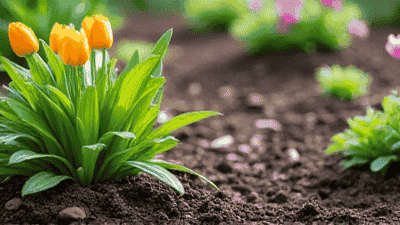
The Benefits of Mulching in Your Garden: Why It Matters
Gardening offers a unique blend of art, science, and environmental passion. It allows individuals to connect with nature while contributing to ecological balance and sustainability. Among various gardening practices that promote plant health and environmental stewardship, mulching stands out as an incredibly effective technique.
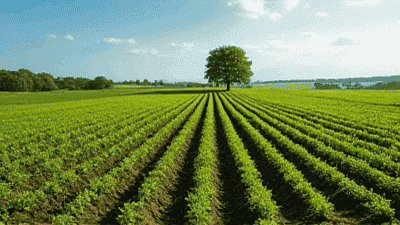
The Importance of Crop Rotation: Enhancing Soil Fertility Sustainably
Sustainable agriculture is a crucial aspect of ensuring food security and protecting the environment for future generations. Among the various methods adopted by farmers to maintain soil health and increase crop productivity, crop rotation emerges as one of the most effective and sustainable practices.
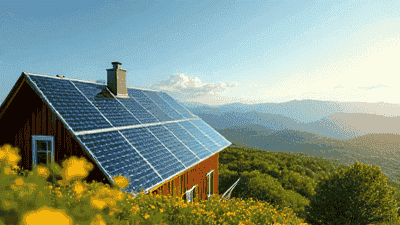
The Benefits of Solar Power for Your Home and Environment
As the global community shifts towards sustainable living, harnessing the power of renewable energy sources has become more critical than ever. Among the various options available, solar power stands out due to its abundance, accessibility, and environmental benefits.
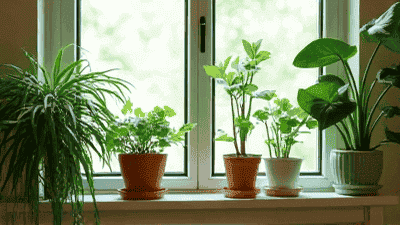
The Role of Indoor Plants in Improving Air Quality and Sustainability
As concerns about air quality and environmental sustainability continue to rise, many people are seeking natural solutions to enhance their living spaces. One effective and beautiful method for improving indoor air quality is the incorporation of indoor plants. Not only do these green companions add beauty to interiors, but they also play a significant role in cleaning the air, promoting well-being, and contributing to sustainable living practices.
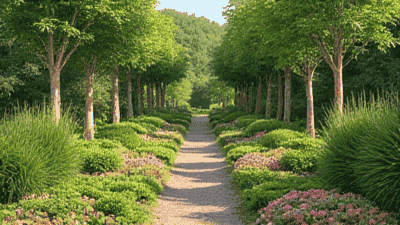
Building a No-Dig Garden: A Sustainable Approach to Gardening
In a world searching for sustainable solutions, gardening practices that minimize soil disturbance and enhance ecological balance have become increasingly popular. The no dig garden method offers an efficient and sustainable approach to growing food, flowers, and other plants while improving soil health and supporting local ecosystems.